Miami-Dade, Broward and Palm Beach, and anywhere in Florida
Yes, a house can be sold while the owner is incarcerated.
ViSO Asset Consultant buys Florida houses and land for cash directly from owners in state prison or county jail, and from the family handling things for them. The paperwork, the notary at the institution, and the closing are handled. No fees to you.
You reach Jeff, not a call center. Calls from an institution are accepted. Se habla español. Nou pale Kreyòl.
Did one of these reach you or your family?
(786) 920-7419
8235 NE 2nd Avenue
Miami, FL 33138
Dear ,
My name is Jeff Filiasse. I own ViSO Asset Consultant, a Florida real estate company based in Miami. I buy houses and land directly from the owner, for cash. I specialize in owners who cannot handle their property in person. That includes people who are incarcerated.
I am writing because public records show you own the property at . I am not a lawyer, a bondsman, or anyone connected to your case. I want you to know there is a clean, legal way to sell your property from where you are, if and only if that is something you decide you want.
- Money for a good appellate attorney, or for bond
- Taking care of your kids and/or significant other on the outside
- Property taxes, insurance and the mortgage keep coming due
You reach me. I pull the records, tell you plainly what I see, and send you a written cash offer. You take as long as you need, and I want family or your attorney to look it over before you sign.


Whoever you are in this, you are in the right place.
Most people who land here are not the owner. They are the person on the outside trying to hold things together. This page is written for all three of you.
If you are the owner, inside
You still own it, and you still decide.
Being incarcerated does not take away your property or your right to sell it. You can sign yourself with a notary at your institution, or name someone you trust to sign for this one sale. Nothing moves without your say-so.
If you are family, a spouse, or a partner
You can call me on his or her behalf.
You do not need anything in hand to start. Tell me about the house and who owns it. I will explain what has to happen, what the owner will need to sign, and what the numbers look like, so you can bring real information to your next call or visit.
If you hold power of attorney, or you are the attorney
I will work the way you need me to.
Send me the property and the scope of the authority you hold. I close through a licensed Florida title company, proceeds go where the owner directs, and every document is yours to review before anyone signs.
How a sale works from inside a Florida institution
It is a normal cash sale with two extra pieces: getting a signature out of the facility, and making sure the money lands exactly where the owner wants it. Here is the whole path.
You reach me
A call, the form below, a letter, or a message from the owner through JPay or Securus. Family can start the conversation. I ask about the house, who is on the deed, and what the owner wants to happen.
Takes one conversationI pull the records and put a number in writing
County property records, the mortgage, taxes, liens, and anything filed at the clerk. Then a written cash offer with the price in actual dollars, and what the owner would walk away with after everything is paid.
A few daysThe owner decides, and signs
Take it to family, an attorney, or anyone you trust. If the answer is yes, the owner either signs at the institution with a notary, or signs a limited power of attorney so one trusted person can sign for this property only. I arrange the notary and the mail.
Depends on the institutionA title company closes it and sends the money
A licensed Florida title company handles the closing, pays off the mortgage, taxes and any liens, and wires or mails the balance where the owner directs: a family member, an attorney's trust account, a bank account, or the owner's inmate account.
Usually three to six weeks start to finishThings you may have been told that are not true
Plenty of agents and buyers walk away from an incarcerated owner because the paperwork is unfamiliar to them. The law is not the problem. The logistics are, and logistics can be handled.
"You can't sell without being there in person."
You can. Florida deeds are signed in front of a notary and two witnesses. Institutions have notaries, and mobile notaries can be scheduled. I handle the scheduling.
"You have to wait until you get out."
You don't, and waiting usually costs the most. Taxes, insurance, code fines and a vacant house all keep running. A sale stops the bleeding now.
"A power of attorney from a prisoner isn't valid."
It is, when it is done right: signed before two witnesses and a notary, limited to this one property, and reviewed by the title company before closing.
"Your family will have to handle it without you."
No. Family can help, but the owner stays in control. Nobody can sell the owner's property without the owner's signature or a power of attorney the owner chose to give.
What a sale can take care of
These are the reasons owners in this position have decided to sell. Yours may not be on the list. It does not have to be.
- Money for a good appellate attorney, or for bond
- Taking care of kids or a significant other on the outside
- Canteen, commissary and phone money that lasts
- Property taxes, insurance and a mortgage that keep coming due
- An empty house getting broken into, stripped, or hit with code violations
- Family in the house who cannot keep up with it, or someone who will not leave
- Back taxes or a foreclosure already started
- One less thing hanging over you
Straight answers
The questions families ask me first. If yours is not here, call. Asking costs nothing.
Is this legal?
Yes. An incarcerated person keeps the right to own and sell property. Florida's rule against inmates running a business specifically allows them to communicate as needed to protect property they owned when they were committed. Selling a house you already own is exactly that. I am not a lawyer, and I encourage every owner to have one look at the paperwork, but there is nothing unusual or improper about this sale.
Does the owner need a power of attorney?
Not always. There are two ways to sign. The owner can sign the deed personally at the institution in front of a notary and two witnesses. Or the owner can sign a limited power of attorney naming one trusted person to sign for this property only. In Florida a power of attorney has to be signed before two witnesses and a notary to be valid. Either way, the title company reviews the documents before closing. I will tell you which path fits the institution and the situation.
How does someone sign from inside?
Every Florida Department of Corrections institution has staff who can notarize, and most county jails do too. Where that is slow, a mobile notary can be scheduled to visit. Documents go in through legal mail or with the notary, get signed, and come back out. It takes longer than a normal closing because the institution sets the schedule, which is why I say three to six weeks instead of seven days.
Where does the money go, and who holds it?
Wherever the owner directs, and never through me. A licensed Florida title company receives the purchase money, pays off the mortgage, taxes and any liens, and sends the balance by wire or check to the person or account the owner names in writing: a family member, an attorney's trust account, the owner's own bank account, or a deposit to the owner's inmate trust account. You will see every number on the closing statement before anything is signed.
Can the state or the prison take the money?
Sometimes part of it. Court-ordered restitution, fines, and certain liens recorded against the owner or the property get paid at closing like any other lien, and the owner keeps the rest. Florida can also file a lien for the cost of incarceration in some cases. This is why I pull the clerk's records before I give a number: you will know about anything like that before you decide, not at the closing table. If a lien would eat most of the equity, I will tell you so plainly.
What if a spouse or another co-owner is on the deed?
Everyone on the deed has to sign, and everyone gets the same written offer and the same paperwork. A spouse on the outside signs at the title company or with a mobile notary. The owner inside signs as described above. If the co-owners do not agree, there is no sale, and nobody can be forced.
What if there is a mortgage, back taxes, or code violations?
That is normal. I buy as-is. The mortgage, delinquent taxes, code fines and liens are paid out of the sale at closing. You do not fix anything, clean anything, or bring money to the table. If the debts are bigger than the value of the house, I will tell you that too.
What does it cost the owner?
Nothing. No commissions, no fees, no repairs. I pay the standard closing costs, the notary, and the recording. The written offer shows the price and what the owner nets after the mortgage and liens are paid. That number is the number.
How fast?
A written offer within a few days of our first conversation. Closing usually takes three to six weeks, because getting documents in and out of an institution runs on the institution's schedule. If someone promises you seven days on a sale like this, ask them how.
Why did my family member get a letter from you?
Public records. Florida property records are public, and so is the Department of Corrections inmate list. When the same name is on both, I write to the owner, because almost nobody else will. The letter is an option, not an obligation. If the owner is not interested, the reply slip has a box for that, and I will not write again.
What are you not?
I am not a lawyer, a bondsman, a bail agent, or anyone connected to the owner's case. I cannot give legal advice and I will not pretend to. I am a local buyer who has built a clean way to do this one thing, and I want the owner's family or attorney to look at everything before anyone signs.
What I will put in writing
Anyone can say "fair" on a website. These are the things I commit to on paper, because they are the things people in your position get burned on.
The number is the number. The price in the written offer is the price at closing. No last-minute renegotiation once the owner has signed.
Nobody signs anything they have not read. Every document goes to the owner and to whoever the owner wants reviewing it, with time to read it. I will answer any question about any line.
The money never touches my hands. A licensed Florida title company holds and pays out every dollar, to the person the owner names in writing.
No pressure, ever. If the owner says not interested, that is the end of it. I will not write again, call again, or contact family.
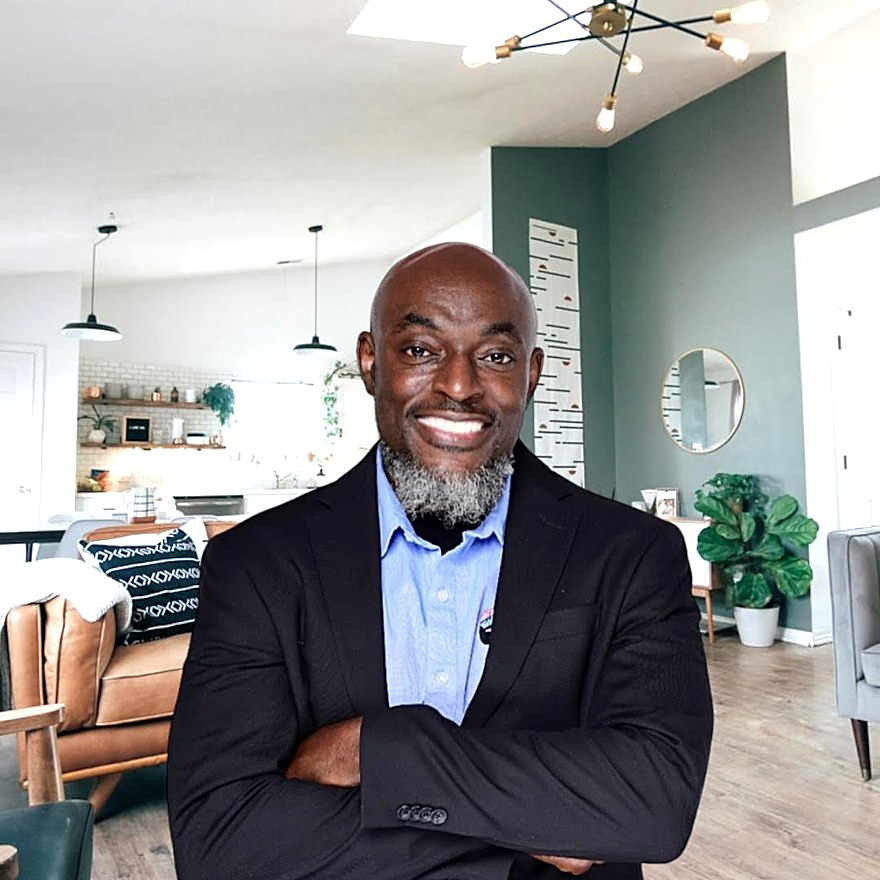
Jeff Filiasse. Founder, ViSO Asset Consultant and Probate Assets Elite, LLC. Miami, Florida.
You are not dealing with a call center. You are dealing with me.
I'm Jeff Filiasse. I was raised in Miami by parents who have run a restaurant here since 1996, and I have been buying South Florida houses for cash for years, mostly from families in hard spots: probate, foreclosure, a house nobody can keep up with.
I started working with incarcerated owners because I kept seeing the same thing in the public records. A house sitting empty. Taxes stacking up. A mother or a wife doing her best from the outside. And an owner who could not do a single thing about it from where he was, because nobody would take his call, and nobody had built a clean way to help him sell.
So I built one. The letter, the notary at the institution, the title company, the written offer with real numbers. It is not complicated. It just takes somebody willing to do it carefully, and to say the honest thing even when it is not what you were hoping to hear.
If selling would help, the door is open. If it would not, I will tell you that too.
Want to sell? Just say so. I'll see you at ViSO.
ViSO is short for visitation. It is where families meet the people they love, and it is where this work gets done.
Three ways to reach me
Pick whichever one works from where you are. Family can reach out on the owner's behalf.
Call or text
(786) 920-7419. Seven days a week. If I miss you, leave the owner's name and DC number and I will be ready for the next call.
jeff@visoasset.com. Send the property address and who you are to the owner. I answer personally.
ViSO Asset Consultant
8235 NE 2nd Avenue, Miami, FL 33138